
Am I OK? It’s a question we are afraid to ask out loud: a question grieving people think about and are asked so many times a day, we lose count! Have you ever walked into a room and suddenly turned around because you have no idea why you were there? Grief can do that to you. It can rearrange our thoughts, scramble our memory, and introduces unfamiliar emotions that can make us feel disoriented and unsettled. One minute I feel functional; the next, I’m questioning my own mind. In grief, even simple decisions can feel overwhelming, and that loss of mental clarity can be frightening.
Am I OK? The question often surfaces during moments of mental fogginess, sleepless nights, and emotional swings that seemed to come without warning. Grief related insomnia, appetite changes, irritability, sadness, and difficulty concentrating are not signs that something is “wrong“ with you– they are signs that your heart and body are responding to loss. Grief affects the brain as much as it affects the soul. If you’re experiencing clouded thinking or forgetfulness, take heart! Usually, the fog does not last forever. The clouds will lift, even if right now they feel heavy and unmovable. There will be moments in time when it seems to abound, usually around anniversaries or times of increased stress.
Am I OK? When grief stretches on, it can make you question your stability, your faith, and even your sense of self. The truth is this: you are not going crazy. What you’re experiencing is a natural response to deep pain. Over time, grief-related symptoms – the sleeplessness, the mood swings, the mental cloudiness – will diminish. They don’t disappear overnight, and they don’t follow a straight line, but healing does come. Grief changes shape as time passes, and with that change comes greater clarity and steadiness. Managing to put our self-care habits into higher priority is important. You and I deserve to get better, mentally and emotionally. We’ve been through enough. Don’t feel selfish for taking time and maybe spending some money on whatever it takes to bring your brain into better health and more positive thoughts.
The most life altering loss of my life occurred over six years ago, and I never thought I would get to a place where my brain didn’t feel full of cotton, and my thoughts bouncing inside my head like a rubber ball. Today, things are a little bit clearer, I can hold a conversation a little bit longer, and I can focus on the needs of others a little bit better than before. This has come with time, a little bit of self love, and a lot of prayer.
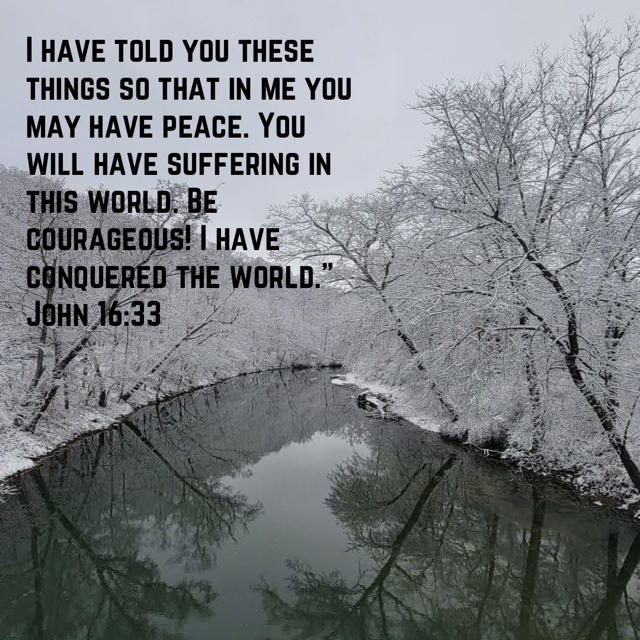
There is comfort in knowing that grief does not have the final word. Scripture reminds us that suffering is not a sign of abandonment. In John 16:33, Jesus speaks directly to weary hearts: “I have told you all this so that you may have peace in me. Here on earth, you will have many trials and sorrows. But take heart, because I have overcome the world!” These words don’t dismiss pain – they acknowledge it. The key is that they offer hope that sorrow is not the end of the story.
If you’re asking yourself, “am I OK?” today, know this: questioning doesn’t mean you’re failing. It means you’re human. It means you’re grieving. And even in the fog, even in the uncertainty, you are still held – by faith, by love, and by a hope that grief cannot erase.
One of the most helpful books I’ve read on this subject is “It’s OK That You’re Not OK: Meeting Grief and Loss in a Culture That Doesn’t Understand” by Megan Devine. Know what else is helpful? Getting support through one-to-one mentoring or within a group. If you or someone you care about needs help, please contact us.
If you can’t find it in your local library, the link above, takes you to the most affordable copy found on Amazon.
I pray God blesses and keeps you, and that His love and care overcome your soul and mind today, and every one ahead!